

Tooth Bridges in Gachibowli to Restore Your Smile
Dantam Clinics
October 30, 2026
Missing teeth can affect everyday activities such as eating and speaking, and may also change the appearance of your smile. Tooth bridges in Gachibowli can help fill the space left by a missing tooth using a fixed dental restoration. Once fitted, the restoration stays in place during regular activities, including eating and sleeping.
The right treatment varies from person to person. Your dentist will examine the gap, assess the surrounding teeth and check your gum health before suggesting a suitable option. The location of the missing tooth, your overall oral health and your treatment preferences will all be considered.
What Is a Bridge?
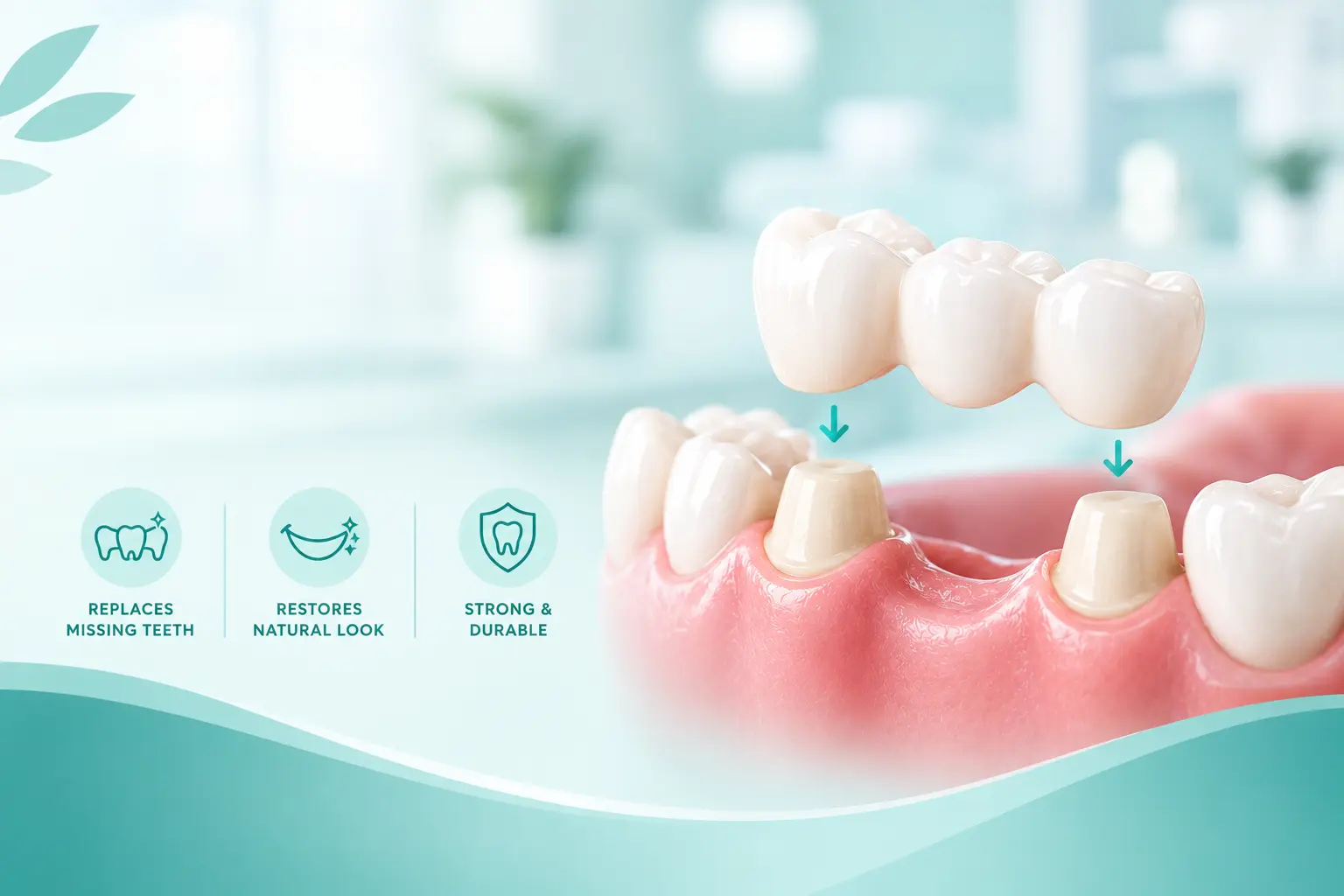
A dental bridge is designed to fill the space left by one or more missing teeth. It contains an artificial tooth, known as a pontic, which is held in position by a supporting structure. Depending on the design, the support may come from natural teeth, dental implants or a framework bonded to neighbouring teeth.
Dental bridges can help restore the appearance of your smile and make chewing more comfortable. Replacing a missing tooth may also help prevent neighbouring teeth from gradually moving into the empty space. Your dentist will explain the available designs after assessing the supporting teeth and surrounding tissues.
Different types of dental bridges are available to suit different missing-tooth situations.
Types of Dental Bridge
Traditional Bridge:
This design uses crowns placed over supporting teeth, with an artificial tooth connecting them. The supporting teeth usually need to be reshaped to accommodate the crowns. Your dentist will check whether these teeth are healthy and strong enough to support the restoration.Cantilever Bridge:
This type relies on one neighbouring tooth for support. Since chewing can place additional pressure on that tooth, it is considered only in suitable situations. Your dentist will assess your bite and the location of the gap before recommending this design.Maryland Bridge:
A Maryland bridge uses a thin framework or wing bonded to the back of neighbouring teeth. It generally requires less preparation of natural teeth than a traditional bridge. However, its suitability depends on the position of the missing tooth and the forces applied during chewing.Implant-Supported Bridge:
This restoration is attached to dental implants placed in the jawbone. It may be considered when several teeth are missing. Your dentist will assess your bone condition, gum health and suitability for implant treatment before recommending this option.Single Tooth Bridge
Tooth Bridges in Gachibowli
Examination
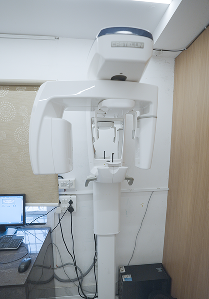
Your dentist will examine the missing-tooth area, surrounding teeth and gums. X-rays may be recommended to assess the roots and supporting bone. If tooth decay or gum disease is present, it may need to be treated before the bridge is fitted.Preparation
For a traditional bridge, the supporting teeth are reshaped to create space for the crowns. The amount of preparation depends on the condition of the teeth and the restoration design. Other bridge types may require a different approach.Scanning or Moulding
A digital scan or dental impression records the shape and position of your teeth. The information is used by the dental laboratory to create a restoration that fits the gap and works with your bite.Temporary Restoration
A temporary restoration may be placed while the permanent bridge is being prepared. A temporary crown can protect a prepared tooth and help reduce sensitivity during this period. Your dentist will explain how to care for it until the permanent restoration is ready.
Final Restoration
Once the permanent bridge has been made, your dentist will check its fit, appearance and contact with the opposing teeth. Any necessary adjustments will be made to improve comfort and biting function. You will also receive instructions on how to clean and maintain the restoration.
The number of appointments varies according to the bridge design, laboratory time and any additional dental treatment required.
Temporary Crown
A temporary crown is a short-term covering placed over a prepared tooth while the permanent restoration is being made. It helps protect the tooth and may reduce sensitivity during the treatment period.
Because it is not designed for long term use, a Temporary Crown needs careful handling. Follow your dentist’s instructions about eating and cleaning. Sticky foods may dislodge it, while hard foods may damage it. If it becomes loose or falls out, contact your dental clinic instead of trying to repair it with household glue.
Take care when cleaning around the crown and use the method recommended by your dentist. If you experience increasing sensitivity, persistent discomfort or difficulty biting, seek professional advice.
Pros and Cons of a Dental Bridge
However, a traditional bridge generally requires preparation of the supporting teeth. Food particles and plaque may collect around the restoration, particularly beneath the artificial tooth. Without proper cleaning, this may contribute to gum problems or affect the supporting teeth. The restoration may also become damaged, loose or poorly fitted over time and require repair or replacement.
Keeping Your Bridge Clean and Free from Tartar
Plaque is a film of bacteria that develops on teeth throughout the day. If it is not removed regularly, it can harden into calculus, commonly known as tartar. Deposits near the gum line may irritate the gums and affect the tissues supporting your teeth.
People searching for calculus bridge teeth may be concerned about tartar accumulating around a dental restoration. Cleaning the bridge and the surrounding teeth is important because ordinary brushing may not reach every surface beneath the artificial tooth.
Brush twice daily with fluoride toothpaste and clean between your teeth every day. A floss threader or an appropriately sized interdental brush can help you reach beneath the pontic. Your dentist can demonstrate the correct technique and recommend suitable cleaning aids.
To minimise the risk of calculus bridge teeth problems, attend regular dental check-ups and have professional cleaning when recommended. If you are concerned about calculus bridge teeth despite cleaning every day, ask your dentist to assess the area. Once plaque hardens into tartar, brushing alone cannot remove it completely.
Avoid using pins, blades or other sharp objects to scrape away deposits. These can injure your gums or damage the restoration. If you notice bleeding, swelling, persistent bad breath or discomfort, arrange a dental examination.
When Should You Seek Help?
Arrange a dental or medical appointment if symptoms persist or recur. Seek advice promptly if pain makes eating or drinking difficult or if you notice white patches or a sore that does not heal.
Sudden tongue or throat swelling with difficulty breathing or swallowing requires emergency medical attention.
Why Choose Dantam Dental Clinics for Tooth Bridges in Gachibowli?
At Dantam Dental Clinics, we provide personalised dental care to help restore missing teeth and improve your smile with suitable Dental Bridges.
- Personalised Treatment Plans tailored to your dental needs.
- Experienced Dental Professionals to guide your treatment.
- Modern Dental Technology for assessment and treatment planning.
- Comfort Focused Care throughout your dental journey.
- Convenient Gachibowli Location for consultations and treatment.
Book a consultation at Dantam Dental Clinics in Gachibowli for Tooth Bridges and take the next step towards restoring your smile.
Frequently Asked Questions
Will I Feel Any Pain During Treatment?
Is a Single Tooth Bridge Sufficient?
Can Calculus Build Up Around My Bridge?
How Long Will My Treatment Take?
Why Do I Need a Temporary Crown?
Dental Bridge or Implants?
SUBSCRIBE
SUBSCRIBE TO OUR NEWSLETTER
Tooth Bridges in Gachibowli to Restore Your Smile

Why Does My Tongue Feel Burnt? Causes and Care