

Digital Dentistry in Gachibowli for Modern and Precise Dental Care
Dantam Clinics
November 7, 2026
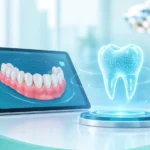
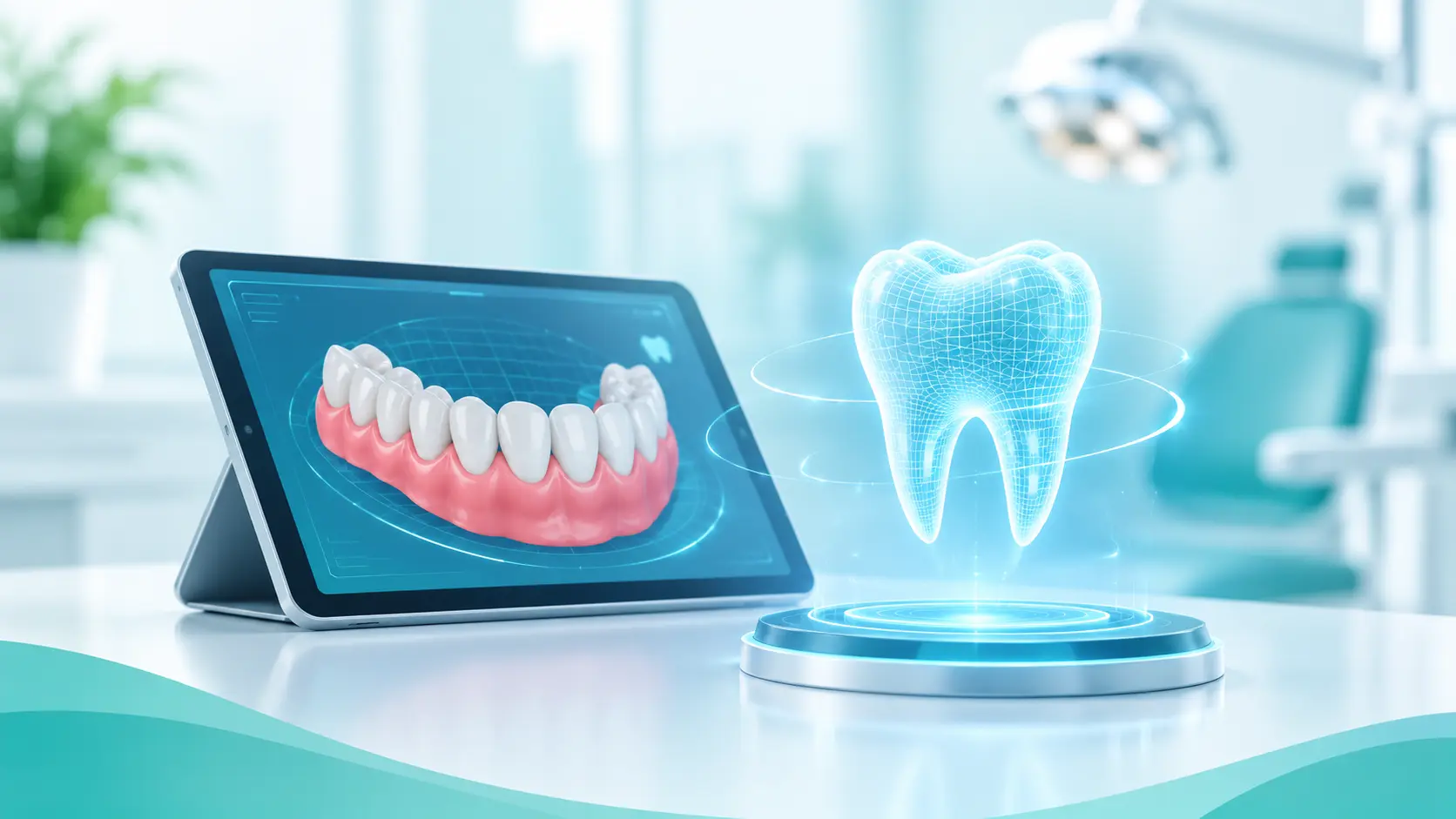
Dentistry has evolved over recent years, using technology to provide accurate diagnosis and treatment planning. Digital Dentistry in Gachibowli uses advanced dental technologies along with clinical expertise to help dentists understand what is happening in the mouth and provide appropriate treatment.
These technologies can be used to help with a variety of dental procedures, including digital scans and advanced imaging.
What Is Digital Dentistry?
Digital Dentistry uses a variety of technologies to help with diagnosis and treatment planning. Using digital technologies can make gathering information about your teeth, gums and surrounding areas more detailed.
Intraoral scans, digital X-rays, 3D imaging and digital smile design are all common technologies used. The type of technology used will depend on the dental condition and treatment needed.
How Can Digital Dentistry Improve Dental Treatment?
Benefits of Digital Dentistry:
- Detailed Diagnosis: Digital imaging can help dentists see what is happening with your teeth and surrounding areas.
- Treatment Planning: Scans and imaging can help with making more informed decisions.
- Patient Communication: Digital imaging can help explain dental issues to patients.
- Convenience: Some digital technologies can reduce the need for traditional impressions.
- Treatment Monitoring: Digital records can help track changes throughout treatment.
What Is 3D Dental Scanning?
3D Dental Scanning uses intraoral scanning to gather detailed digital images of your teeth and surrounding areas. A small scanning tool is used inside the mouth to gather a range of images. These are then put together to create a 3D digital image.
These can be used by dentists to help with a range of treatments, including crowns, bridges, aligners and more.
Benefits of 3D Dental Scanning
- Detailed Impressions: Can give detailed digital impressions of your teeth.
- Evaluating Teeth: Helps dentists see the shape and positioning of your teeth.
- More Comfortable: Can make the impression process more comfortable.
- Design and Planning: Can help with designing certain dental restorations.
- Digital Records: Allows digital records to be maintained.
What Is a Teeth Scanner?
A teeth scanner is a digital tool used to gather images of your teeth. Intraoral scanners are commonly used to create digital impressions.
This can help dentists see the positioning, gaps and details of your teeth. It can also be used to help plan crowns, bridges, aligners and more.
How Can 3D Dental Imaging Help with Diagnosis?
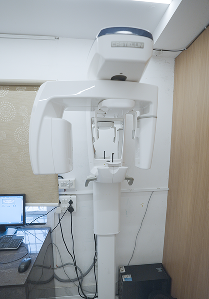
3D Dental Imaging can give a 3D image of specific areas in your mouth. Depending on dental requirements, your dentist may recommend using technologies such as cone beam computed tomography (CBCT).
This can help to evaluate:
- Jawbone structure.
- Position of impacted teeth.
- Areas around the roots of your teeth.
- Anatomical structures for implants.
- Certain dental and jaw issues.
Not all patients will need 3D imaging. Your dentist will recommend this if they feel that more detailed information is required.
What Dental Treatments Can Benefit from Digital Dentistry?
Digital technologies can be used to help with a range of treatments, including:
- Dental Implants: Imaging can help evaluate bone structure and plan implants.
- Crowns and Bridges: Digital impressions can help with designing restorations.
- Clear Aligners: Digital scanning can help evaluate your teeth positioning.
- Cosmetic Dentistry: Smile planning tools can help patients understand what changes may be made.
- Root Canal Treatment: Digital X-rays and other appropriate imaging can help with diagnosis.
- Orthodontics: Digital records can help evaluate the positioning of your teeth.
The type of technology used will depend on the treatment and evaluation by your dentist.
Digital Dentistry vs Traditional Dentistry
| Aspect | Digital Dentistry | Traditional Dentistry |
|---|---|---|
|
Impressions |
Digital scans
|
Physical impressions
|
|
Records |
Digital images and models
|
Physical models and records
|
|
Imaging
|
Digital imaging and 3D models
|
Traditional imaging and models
|
|
Planning
|
Computer-aided tools
|
Traditional planning methods
|
Who Can Benefit from Digital Dentistry?
Digital dentistry can be useful for patients looking for:
- Dental implants and restorations.
- Braces and clear aligners.
- Crowns and bridges.
- Cosmetic treatments.
- Evaluation of impacted teeth and jaw conditions.
Your dentist will be able to help you decide which digital technologies will be appropriate.
Digital Dentistry in Gachibowli at Dantam Dental Clinics
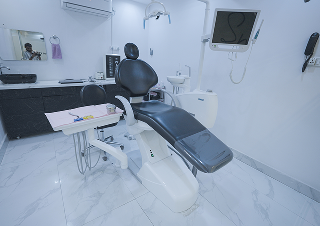
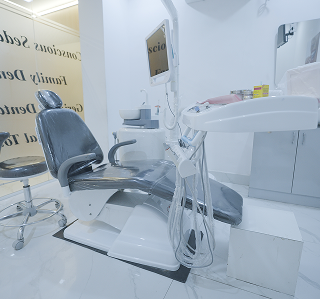
At Dantam Dental Clinics, we recommend treatments based on your dental condition and individual needs. Modern dental technologies can support diagnosis and treatment planning wherever appropriate. Our focus is on providing personalised care, clear communication and suitable treatment options.
If you are looking for Digital Dentistry, book a consultation at Dantam Dental Clinics. Our dental team will help you understand the available technologies and identify suitable treatment options for your dental needs.
Frequently Asked Questions
Is Digital Dentistry Better Than Traditional Dentistry?
Is 3D Dental Scanning Painful?
No. Intraoral scanning is generally a non-invasive procedure.
Is 3D Dental Imaging Required for All Treatments?
How Can Digital Smile Design Help?
Can a Teeth Scanner Help with Dental Implant Planning?
Yes. A teeth scanner can capture digital impressions of your teeth, while appropriate dental imaging helps assess the surrounding structures. Together, these tools can support dental implant evaluation and treatment planning. The technology recommended will depend on your oral condition.
SUBSCRIBE
SUBSCRIBE TO OUR NEWSLETTER

What to Know About Dental Veneers in Gachibowli