

What to Know About Dental Veneers in Gachibowli
Dantam Clinics
November 13, 2026
What Are Dental Veneers?
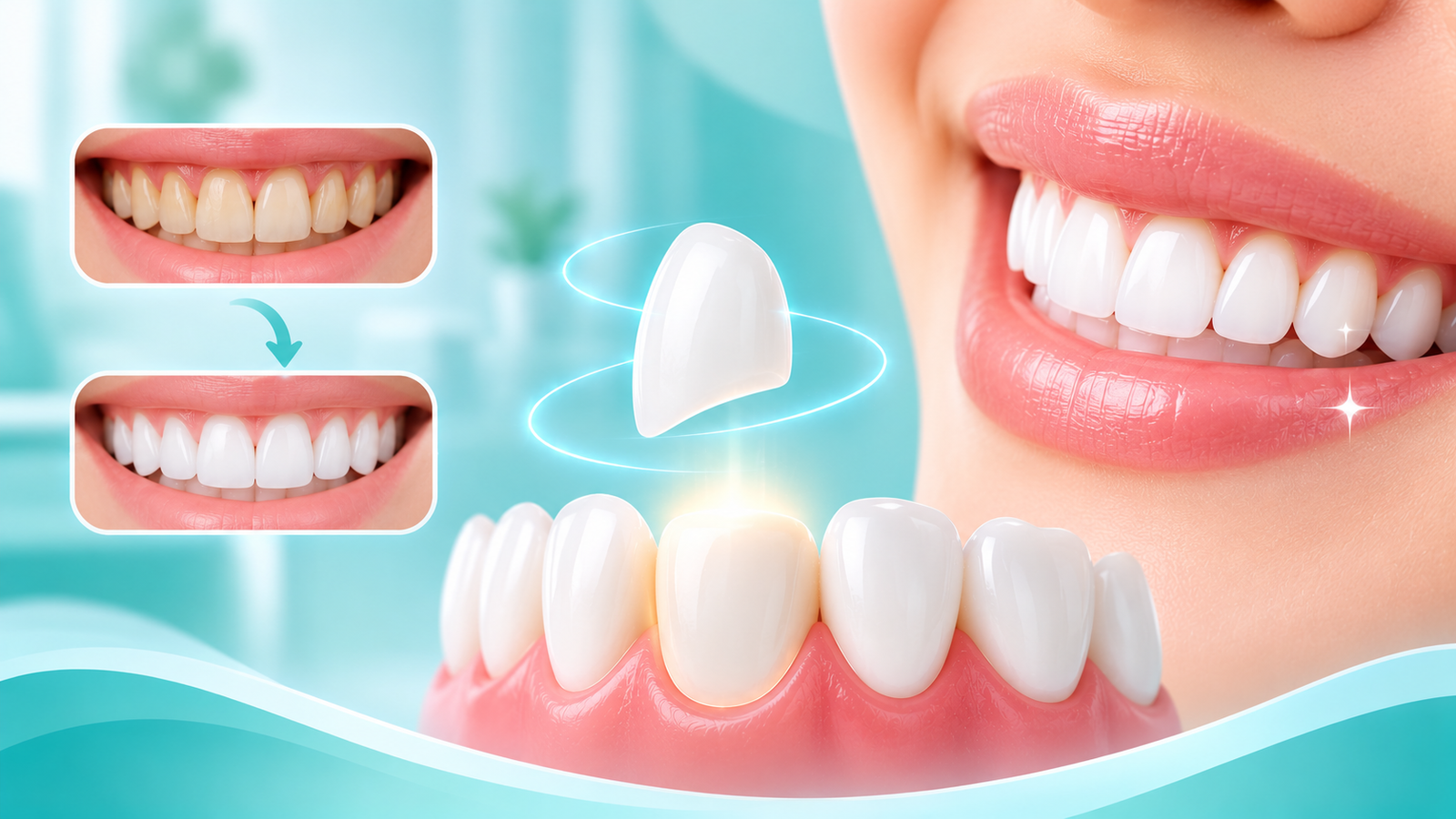
Dental Veneers are thin bespoke covers that are placed onto the front of teeth. They can help to improve the appearance of teeth, including colour, shape, size and small imperfections. They can be made from porcelain or tooth coloured composite material depending on individual requirements.
This is a popular choice for many people in Cosmetic Dentistry. Your dentist will examine your teeth and gums to give you the right option.
What Can Dental Veneers Improve?
- Discolouration: Cover stains that are difficult to whiten.
- Chips: Improve the appearance of small chips to the teeth, usually in the front.
- Minor Gaps: Help to reduce the appearance of gaps in the front teeth.
- Uneven Shape: Help to create a more even shape.
- Worn Teeth: In some cases, help with the appearance of worn teeth.
- Unevenly Sized Teeth: Help to create a more even look for teeth that appear short or small.
Depending on the dental issue, you may need an alternative treatment for more complex bite or alignment issues.
Types of Dental Veneers
The two most common types of Dental Veneers are porcelain and composite.
Porcelain Veneers
Porcelain Veneers are bespoke covers that can be placed onto the front of chosen teeth. They will be planned to ensure the correct shape, size and shade to suit your teeth. They can be considered for those who want to improve the appearance of obvious discolouration, chips and uneven teeth.
Composite Veneers
These veneers are made using tooth coloured resin. They can be applied directly to your teeth. Depending on the situation, they may take fewer appointments. Your dentist will be able to explain their appearance, how to care for them and any limitations.
How to Choose the Right Veneers?
The correct choice of porcelain or composite veneers will depend on the condition of your enamel, bite, desired aesthetic and personal preference. Your dentist can explain how they will be prepared and what result you can expect.
Who Can Have Veneers?
Dental Veneers can be suitable for those with generally healthy teeth and gums who wish to improve the appearance of their teeth. Those with cavities, gum disease or damaged teeth may need an alternative treatment.
Your dentist may also wish to check for any existing dental work, how thick your enamel is, whether you grind your teeth and if your bite is aligned. An examination is important as veneers may not be the best option for all dental issues.
Dental Veneers vs Dental Bonding vs Teeth Capping
Dental Veneers vs Dental Bonding
Dental Bonding uses tooth-coloured composite resin to fix small chips, change the shape and improve small gaps. This is often considered for a small improvement. It can be applied to specific areas of your teeth, unlike veneers.Dental Veneers vs Teeth Capping
Teeth Capping usually means a crown is placed over the tooth. Veneers cover the front of the tooth, whilst crowns cover more of the tooth. If a tooth is severely damaged or needs extra support, a crown may be recommended.
The treatment will depend on how much of your natural tooth remains, where the damage is and your bite. Dental Bonding may be used for small imperfections. Teeth Capping may be more suitable for damaged teeth. Your dentist can explain which is best for you.
What Happens During the Treatment?
1. Consultation
Your dentist will examine your teeth, gums and bite. They will discuss your expectations and what treatment will be suitable for you.2. Preparation
Depending on what type of veneer you have, a little enamel may need shaping. This will vary depending on the individual.3. Impressions or Digital Scans
Dental impressions or digital scans will be taken to note the shape and size of your teeth. This will help to plan your restorations.4. Application
Once your veneers are ready, your dentist will check their fit, shape and shade. Any adjustments will be made, and they will be adhered to your teeth. You will be given advice on how to care for your restorations.
Benefits and Limitations
Dental Veneers can help to improve the appearance of stained, chipped and uneven teeth. They can help to create a more even smile when planned correctly.
However, there are some limitations to consider:
- Some treatments will require permanent removal of enamel.
- They can be prone to chipping, cracking and becoming loose.
- They will not prevent cavities or gum disease.
- They may need repairing or replacing.
- Good dental care is still important.
It’s important to know these limitations when discussing treatment with your dentist.
Aftercare
Good oral hygiene can help to protect your natural teeth.
- Brush twice daily using a soft-bristled brush.
- Use a fluoride toothpaste as recommended by your dentist.
- Clean between your teeth regularly.
- Avoid biting into hard objects and opening packets with your teeth.
- Attend regular dental appointments.
- If you suffer from grinding, discuss it with your dentist.
- If your veneer feels loose, chipped or uncomfortable, contact your dentist.
Considering Dental Veneers in Gachibowli at Dantam Dental Clinics?
At Dantam Dental Clinics, we can help you discuss any concerns you have regarding your smile and understand the available treatment options. If you are considering Cosmetic Dentistry, our dentist can help determine whether Veneers, Dental Bonding or Teeth Capping are suitable for your situation. We can help you plan your treatment based on your oral health, expectations and individual needs.
Frequently Asked Questions
How long do porcelain veneers last?
Porcelain veneers can last many years with proper care. Their lifespan depends on oral hygiene, bite, eating habits and regular dental check-ups.
What is Cosmetic Dentistry?
Can They Close Gaps?
Can I Have Just One Tooth Done?
Will It Hurt?
SUBSCRIBE
SUBSCRIBE TO OUR NEWSLETTER

What to Know About Dental Veneers in Gachibowli