

Why Do Mouth Ulcers Keep Coming Back?
Dantam Clinics
October 1, 2026
A sore spot inside your mouth can be a painful setback to enjoying a meal. Just when you recover, another one appears, making you wonder whether you’re doing something wrong.
Recurring mouth ulcers can be caused by a number of things, such as irritation, stress and nutritional deficiencies. In many cases, it’s not clear why they appear, and simply having one or more that come back does not mean that you have an underlying condition. Being aware of when they develop, their location and whether they heal completely will help you to know what to ask your dentist.
What Are These Painful Sores?
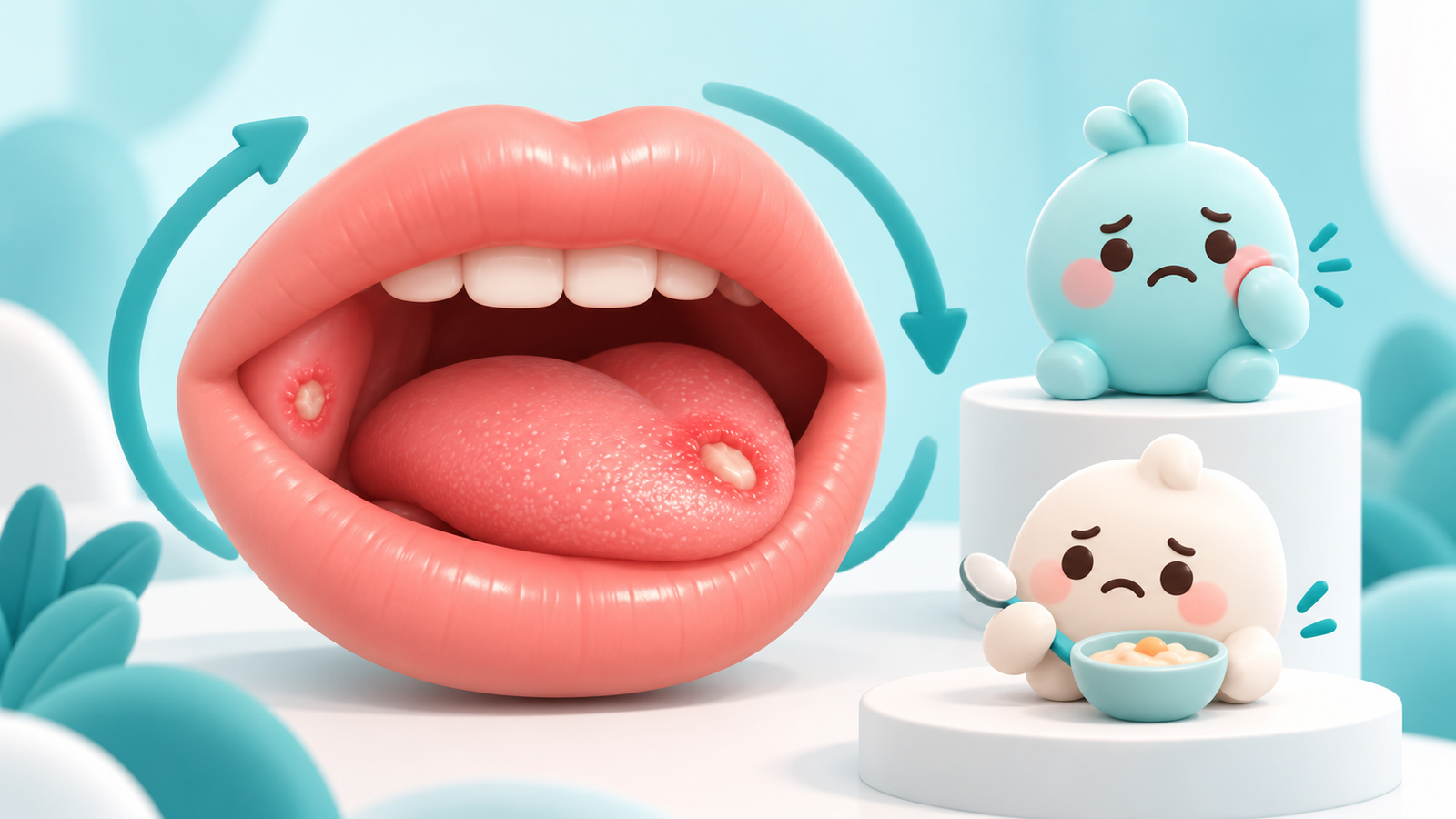
An ulcer is a break in the lining of the mouth. A common type, called an aphthous ulcer or canker sore, usually appears as a small, shallow spot with a white or yellow centre and a red edge around it.
These sores can develop inside the cheeks or lips, beneath the tongue or in other tender areas. Some people report a tingling or burning before the sore appears.
Minor aphthous ulcers typically heal within one to two weeks without scarring. Larger or deeper sores may require more time to settle, and should be examined by a professional. A sore that heals up one episode and comes back is different to one that is unhealed and persisting.
Why Do They Keep Coming Back?
Repetitive Biting or Dental Irritation
If the sore develops in exactly the same place, tell your dentist. An ongoing source of friction may need to be addressed before the area can heal comfortably.
Stress and Tiredness
Some people notice episodes coming up during a stressful or tiring period, which are recognised possible things that can trigger an ulcer. However, it’s not helpful to assume that every episode is being caused by the same thing.
Think about the weeks before an episode: were you under unusual pressure, sleeping poorly or feeling run down? Having a record will make your discussion with your dentist more useful.
Nutritional Deficiencies
Low levels of iron, vitamin B12 or folate may contribute to some people, but frequent sores alone cannot tell you about possible deficiencies.
A clinician can consider your diet, symptoms and medical history before deciding whether blood tests or replacement treatment are appropriate. Avoiding supplements that you believe may help are not a substitute for proper assessment.
Food and Toothpaste Irritation
Spicy or acidic foods may sting an existing sore. Some people also notice that particular foods seem to cause them, but discomfort during a meal does not prove that the food caused the ulcer.
Toothpaste containing sodium lauryl sulphate can irritate susceptible mouths. Ask your dentist whether trying a fluoride toothpaste without this ingredient would be suitable.
Hormonal Changes or Family History
Some people notice a pattern around hormonal changes. A family tendency may also make ulcers more likely.
That’s why two people with similar diets and brushing habits can have very different experiences. Repeated episodes are not, by themselves, proof of poor oral hygiene.
Medicines or Other Health Conditions
Certain medicines can contribute to ulceration. Less commonly, recurrent sores may be associated with conditions such as coeliac disease, inflammatory bowel disease or Behçet’s disease.
Mention any accompanying digestive problems, painful joints or ulcers elsewhere on the body. If symptoms began after a medicine change, contact the prescriber rather than stopping treatment yourself.
Is a Lip Ulcer the Same as a Cold Sore?
A lip ulcer on the inner lining may be an aphthous sore or an injury. Cold sores are common on the outer lip or surrounding skin, and caused by a herpes simplex virus.
Typical canker sores are not contagious, and cold sores can spread. Their location and appearance give clues, but are not sufficient for self diagnosis.
People sometimes refer to any painful oral spot as “blisters in mouth“. A blister contains fluid, while an ulcer is an open area in the surface lining. If you’re unsure of what you’re seeing, avoid assuming that a familiar ulcer gel is the right treatment.
What Can a Recurring Tongue Ulcer Mean?
A tongue ulcer can form after the accidental bite, or through repeated contact with a rough tooth. Aphthous sores can also occur on the tongue.
Notice if it appears in the same place, heals completely between episodes, or is continuously present. Bring those details to your dentist, rather than describing it as something that “keeps coming back”.
Pain is worth mentioning, but the duration and healing pattern matter. A persistent lesion needs examination even if it is small.
How Do Dentists Assess Recurring Mouth Sores?
Prepare for your visit
ASSESSMENT
Assessment often starts with a conversation and an examination. Your dentist may ask:
01First episode
When did the episodes first begin?
02Frequency & duration
How often do they happen, and how long does each sore last?
03Healing pattern
Do new sores develop before older ones heal?
04Recent changes
Have your medicines, diet or dental appliances changed?
05Other symptoms
Are there symptoms elsewhere in your body?
Typical canker sores can often be identified without tests. Frequent, severe or unusual symptoms may warrant further investigation. Blood tests may check for deficiencies or another suspected condition; specialist referral may be appropriate when the diagnosis is uncertain.
What Can Help Relieve the Discomfort?
Gentle Care at Home
While a small sore heals, aim to reduce irritation:
- Choose softer foods that are comfortable to eat.
- Use a soft toothbrush and brush gently.
- Avoid very hot, spicy, acidic or crunchy foods if they hurt.
- Try a mild saline rinse, then spit it out.
- Keep drinking fluids.
These measures support comfort, but they do not provide an instant cure.
Treatment Recommended by a Professional
A pharmacist or dentist can advise on suitable pain relieving or protective products. For more troublesome episodes, prescribed topical corticosteroids or other treatments may be considered.
The choice depends on the diagnosis, severity and your medical circumstances. A product that helped someone else may not be suitable for you, particularly if the lesion is caused by an infection rather than an aphthous ulcer.
Can You Reduce How Often They Return?
Prevention starts with understanding your own pattern. Keep a brief record of the date, location, healing time and anything unusual around each episode.
For example, “the same spot beside a tooth every month” gives a dentist different information from “several new spots in different areas after stressful weeks”. Record observations, rather than assuming that they prove a cause.
Bring questions about uncomfortable dental appliances, recurring irritation or suspected nutritional problems to your appointment. The aim is to address identifiable factors and make episodes more manageable.
Even appropriate treatment may not prevent every recurrence. Many treatments ease symptoms or help an existing sore settle without stopping the next episode.
When Should You See a Dentist?
Arrange an assessment if a sore is not healing as expected, keeps returning frequently or is different from previous episodes. Any ulcer lasting more than three weeks needs checking.
Also seek advice for:
- Unusually large sores or worsening pain.
- Bleeding or increasing redness.
- Symptoms that repeatedly interfere with everyday activities.
Persistent ulceration can occasionally indicate a more serious condition, including oral cancer, so it should not be dismissed. Most ulcers are harmless, but appearance alone cannot rule out a problem.
Seek prompt care if you cannot drink adequately or have a high fever with oral sores; do not wait three weeks in these situations.
Visit Dantam for an Oral Examination
If recurring discomfort is affecting meals, conversations or your daily routine, book an oral examination at Dantam Dental Clinics.
Bring a list of your medicines, any photographs and a short record of previous episodes. Use the appointment to discuss possible irritation, the need for further assessment and suitable next steps.
Book your Dantam appointment to discuss recurring mouth ulcers and receive advice based on your symptoms.
Frequently Asked Questions
Why do I get sores even when I brush regularly?
Can vitamin deficiencies cause recurring sores?
They can contribute in some cases, but many people with recurrent ulceration have normal blood tests. Supplements should address an identified need rather than replacing an examination.
Is a lip ulcer contagious?
A lip ulcer is not contagious. A cold sore is different and can spread. If you’re unsure which type you have, ask a healthcare professional.
Are blisters in mouth always canker sores?
Why does a tongue ulcer return to the same spot?
Repeated contact with a sharp tooth or another source of irritation is one possibility. A dentist should check the area, particularly if it never fully heals between episodes.
How Long Should Mouth Sores Take to Heal?
SUBSCRIBE
SUBSCRIBE TO OUR NEWSLETTER

Why Do Mouth Ulcers Keep Coming Back?

Best Dental Treatments in Gachibowli for Working Professionals