

How Often Do You Need Professional Teeth Cleaning?
Dantam Clinics
September 18, 2026
Brushing your teeth twice a day and flossing daily are fundamental practices in oral care. As an important part of your personal hygiene, these tasks help you keep the tooth surface and gums clean. However, the build up of deposits between teeth and along the gum line may still occur, and eventually, these can harden and become tartar.
Professionally done teeth cleaning complements the care you do at home and lets your dentist look at your teeth and gums. Although many individuals have a standard schedule for these visits, how often you need to get your teeth cleaned professionally may vary depending on oral hygiene and personal dental care.
How Often Should You Schedule Dentist Cleaning?
The frequency of your dentist cleaning is not necessarily the same for every patient. Many individuals are advised to take part in routine dental visits every certain period of time, but your dentist may be able to provide a recommendation based on the condition of your teeth and gums.
While people with good oral hygiene may need less frequent visits than those who often develop plaque and tartar, your medical history and brushing habits are also important considerations.
Instead of working under the assumption that all patients need a specific cleaning schedule, you can speak to your dentist about your oral health and how often you should come in for a cleaning.
What Determines How Often You Need Dental Cleaning?
Before recommending an interval between cleaning sessions,
your dentist may consider your oral health and daily care habits.
Important considerations can include:
- The quantity of plaque and tartar on your teeth
- Your brushing and flossing habits
- The health of your gums
- Previous cavities or gum problems
- Certain dental restorations
- Diet and lifestyle habits
How quickly tartar builds up between cleanings
Regular dental exams help your dentist monitor any changes in oral health and adjust your cleaning schedule when needed.
Why Is Professional Teeth Cleaning Important?
Professional teeth cleaning is a valuable complement to the oral care you do every day. Even when brushing and flossing your teeth as recommended, the areas of the mouth that are challenging to reach can become affected by deposits.
Through the removal of accumulated deposits, you can keep the appearance of your teeth clean and your gums healthy. Your dentist also has the opportunity to perform an examination and look for cavities, irritation, and other issues that may need to be addressed.
Routine dental cleaning can therefore be essential in maintaining your oral health, rather than waiting until a problem occurs.
How Does a Dentist Remove Plaque and Tartar?
Plaque is the soft, sticky film of bacteria that constantly forms on the teeth. If not dislodged at regular intervals, saliva minerals can cause plaque to harden and become tartar.
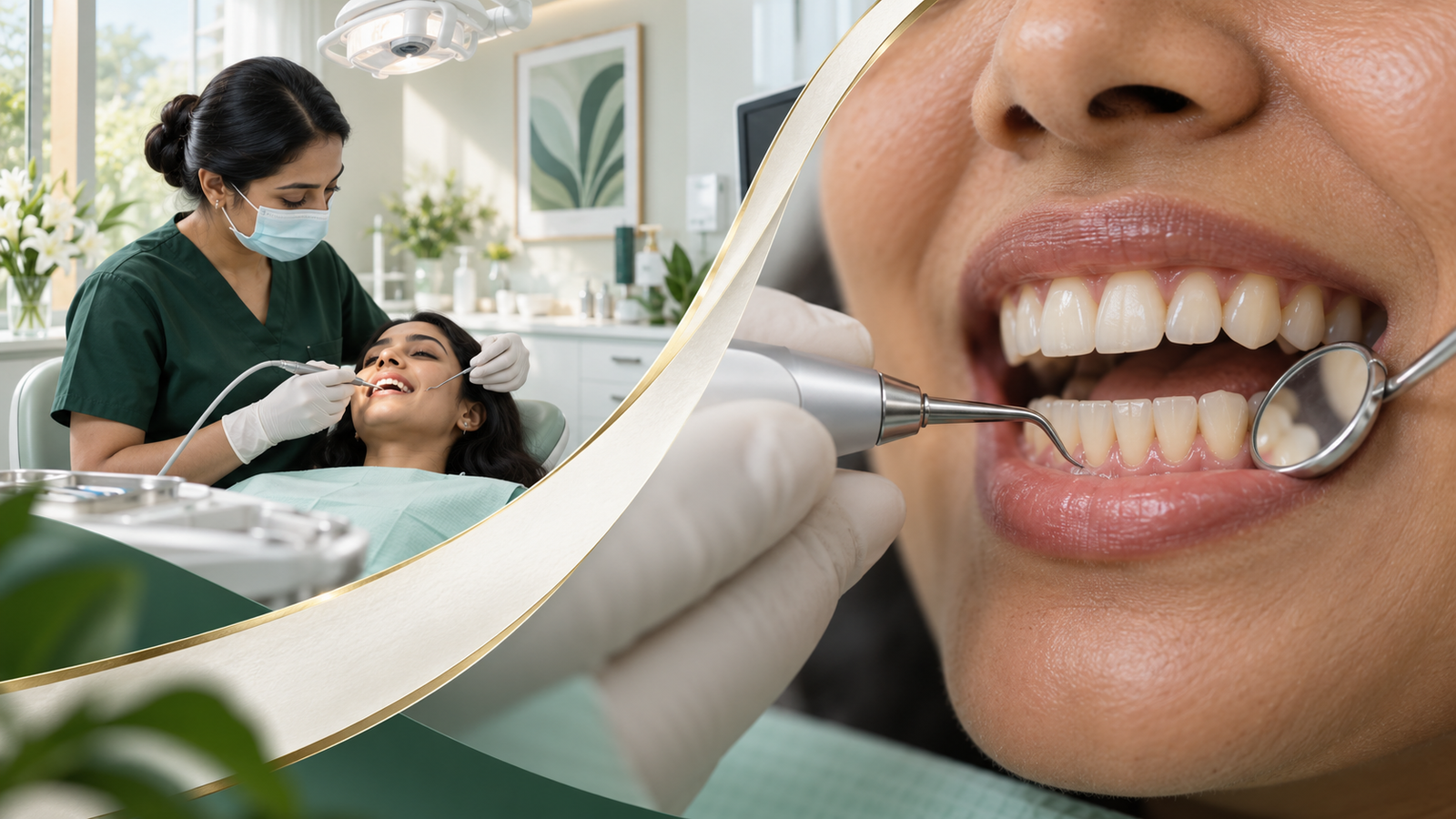
A dentist removing plaque and tartar uses appropriate dental instruments to clean away these deposits along the gums and on the tooth surface. Scaling can be helpful in areas that are hard to reach and clean effectively with brushing or flossing.
Although regular brushing can help you control plaque daily, tartar that has already formed is usually not easily removed through brushing alone.
Who May Need Dentist Cleaning More Frequently?
Some people may need dentist cleaning more regularly depending on the condition of their mouths. This does not necessarily indicate that these individuals have a severe dental problem, but everyone has different levels of preventive care.
People who often experience tartar formation, gum problems or trouble cleaning certain areas of the mouth may need more frequent visits to a dentist that cleans teeth.
Your dentist can look at your oral health and personal needs to advise you on how often you should come in for a cleaning instead of a fixed interval.
Signs It May Be Time to Have Your Teeth Cleaned
Your mouth can show you signs that it is time to schedule a dental appointment. These can include visible deposits around the teeth, irritated gums, unpleasant breath, surface staining, or buildup along the gum line.
If it has also been a while since your last appointment, you should consider visiting a dentist that clean teeth for an oral examination and decide whether routine cleaning is right for you.
Dental symptoms should not be dismissed just because they seem mild. Consistent bleeding, pain, or other issues should be brought to the attention of a dentist to determine the cause.
What Happens During a Dental Cleaning Appointment?
During a cleaning appointment, your dentist will generally take the following steps to inspect and clean your teeth.
| Appointment stage | What to expect |
|---|---|
|
01
Oral examination
|
Your dentist examines your teeth and gums for plaque, tartar, gum irritation, cavities and existing restorations. This helps identify areas that need attention during cleaning. |
|
02
Plaque and tartar removal
|
A dentist removing plaque and hardened tartar uses appropriate instruments along the tooth surfaces and gum line. Particular attention is given to areas where deposits collect or brushing and flossing are difficult. |
|
03
Polishing and flossing
|
Your teeth may be polished to remove surface stains. Flossing helps clean between the teeth and remove remaining debris. |
|
04
Home care guidance
|
Your dental cleaning dentist may offer advice on brushing, flossing and areas that need extra attention at home. |
Appointment duration varies depending on the amount of buildup and the condition of your teeth and gums.
Can Brushing Replace Professional Dental Cleaning?
Although brushing your teeth every day and flossing are essential to your oral health, home care typically focuses on preventing plaque and food deposits on a daily basis. Cleaning by a dentist, on the other hand, can help with plaque that has already hardened into tartar.
A toothbrush can remove a lot of plaque from the teeth, and flossing or using interdental brushes can help eliminate plaque between teeth. However, once plaque has hardened into tartar, attempting to remove deposits yourself can cause more harm than good.
For this reason, proper brushing and flossing should be a complement, rather than an alternative, to professional cleanings.
Does Teeth Cleaning Hurt?
Teeth cleaning is generally not painful to most people, but individual tolerance can vary. Some patients may experience slight pressure and sensitivity during the scaling process, especially if they have sensitive teeth, inflamed gums, or heavy tartar deposits.
Sensitivity can also be felt in some cases after cleaning. Your dentist can take your personal preferences into consideration during an appointment.
If you are likely to feel sensitivity or other discomfort, let your dentist know before an appointment so that they can take the necessary precautions.
How to Keep Your Teeth Clean Between Dental Visits
The care you take at home can help reduce plaque build up and ensure that your teeth and gums are healthy between dentist visits. Brush your teeth twice a day with a suitable toothbrush and toothpaste, and floss or clean between your teeth at least once a day.
Limiting frequent consumption of sugar rich items and paying attention to areas in which plaque tends to gather can also help prevent plaque from forming. Avoid skipping regular dental exams just because your teeth do not feel uncomfortable.
Doing these things can make it easier for future dental visits and cleanings to be done.
When Should You Visit a Dentist That Clean Teeth?
You do not have to wait for tooth pain to make a visit to a dentist that clean teeth. Preventive appointments can let your dentist take a look at your oral health and see whether plaque or tartar has built up between visits.
You should also consider coming in for a cleaning if you notice that you have persistent bad breath, bleeding gums, visible deposits, or other irregularities. Continuous pain, swelling, or severe bleeding may require further care in addition to routine cleaning.
Your dentist can help you create a schedule that is right for you based on their examination.
Dental Cleaning at Dantam Dental Clinics
At Dantam Dental Clinics, preventive care begins with understanding your personal oral health needs. The dentist will assess your teeth, gums, plaque, and tartar before advising you on the care that is suitable for you.
A dental cleaning dentist can also share helpful insights about the care and attention you need to keep your teeth clean at home. They can also highlight areas that should be given special care during your next cleaning.
If you are looking for a dentist that cleans your teeth and wants to know how often you should schedule an appointment, visit Dantam Dental Clinics for an evaluation and guidance on personalized dental care.
Frequently Asked Questions
How often should adults have their teeth professionally cleaned?
Is dentist cleaning necessary every six months?
Can a dentist removing plaque also remove hardened tartar?
How long does a dental cleaning appointment take?
The length of a cleaning appointment varies depending on the condition of your teeth and gums and the amount of plaque and tartar that needs to be removed. Someone with few deposits may need a shorter appointment than someone whose gums and teeth are covered in tartar.
Can dental cleaning help with bad breath?
What should you avoid after having your teeth cleaned?
Your dentist may advise you on what to avoid depending on the condition of your mouth. If your teeth or gums are sensitive after cleaning, it may be best to avoid hot, cold, or irritating food for a period of time. Maintaining good oral hygiene is important regardless of a temporary condition.
SUBSCRIBE
SUBSCRIBE TO OUR NEWSLETTER

How Often Do You Need Professional Teeth Cleaning?

Can Cosmetic Dentistry Correct an Asymmetrical Smile?