

Can Cosmetic Dentistry Correct an Asymmetrical Smile?
Dantam Clinics
September 4, 2026
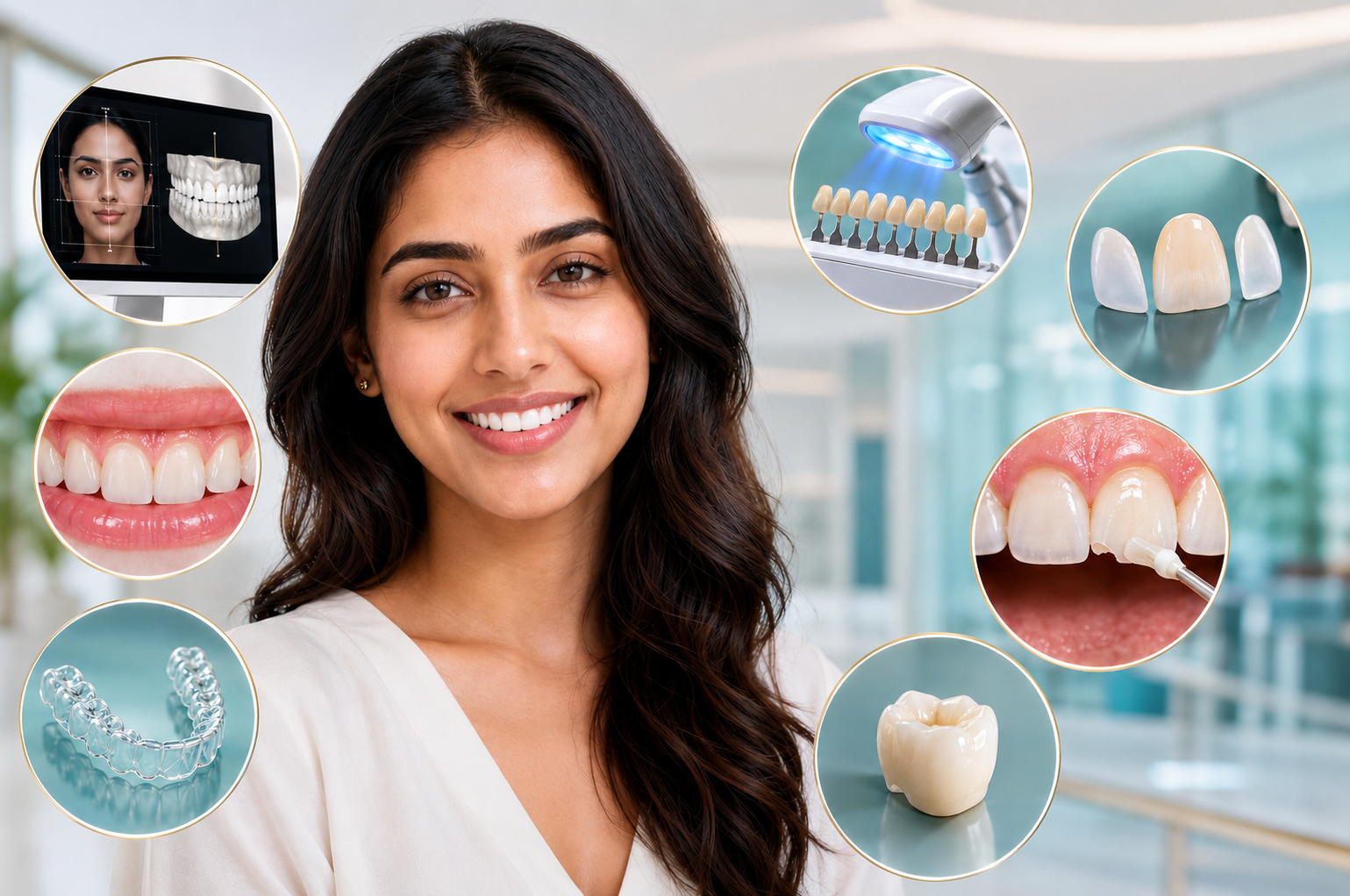
An Asymmetrical smile can make one side of the mouth appear noticeably different from the other. Variations in tooth size, alignment, gum levels, colour or wear may all affect smile balance. Modern cosmetic dentistry can improve many of these concerns while protecting healthy tooth structure and maintaining a natural appearance.
Treatment should not make every tooth look identical. The aim is to create harmony between the teeth, gums, lips and facial features. Depending on the underlying cause, a personalised smile makeover may involve one procedure or a carefully planned combination of treatments.
What Is an Asymmetrical Smile?
A smile is asymmetrical when the teeth, gums or lips appear uneven between the two sides of the mouth. Small differences are natural and may not require treatment. More noticeable irregularities, however, can affect the proportions of the smile and sometimes influence the bite.
Common signs include:
- Teeth appearing longer or wider on one side
- Uneven or sloping tooth edges
- Gaps between particular teeth
- Rotated, crowded or misaligned teeth
- An irregular gumline
- Chipped or worn teeth
- Missing teeth creating visible imbalance
- One side of the smile appearing higher than the other
A dental examination helps identify whether the concern comes from the teeth, gums, bite, jaw position or facial muscles.
What Causes an Asymmetrical Smile?
Identifying the cause is important because each concern requires a different approach.
Uneven Tooth Development
Teeth may naturally develop in different sizes or shapes. A small lateral incisor, an unusually shaped tooth or uneven tooth eruption can make one side of the smile look different.
Dental Misalignment
Crowding, spacing and rotation can affect how evenly the teeth appear. Bite problems may also influence how the upper and lower teeth meet and how the lips move while smiling.
Irregular Gum Levels
Excess gum tissue can make certain teeth appear shorter, while gum recession may make others look longer. Even properly aligned teeth can appear unbalanced when the gumline is uneven.
Tooth Damage and Wear
Chips, cracks, teeth grinding and uneven chewing habits can gradually change tooth length. Damage affecting one side of the mouth may make asymmetry more visible.
Missing Teeth
When a tooth is missing, neighbouring teeth may slowly move towards the empty space. This can create gaps, alignment changes and an uneven bite.
Jaw or Facial Differences
Some cases are connected to the jaw or facial structure rather than the teeth alone. These concerns may require orthodontic assessment or care from another dental specialist.
How Can Cosmetic Dentistry Improve Smile Symmetry?
Aesthetic treatments can improve symmetry by addressing tooth shape, size, colour, position and gum balance. The recommended approach depends on the severity of the concern and the health of the teeth and gums.
Minor irregularities may be corrected with bonding or enamel reshaping. More noticeable differences may require restorations, gum contouring or orthodontic care. When several concerns are present, combining procedures can provide a more balanced result.
Treatment Options for an Asymmetrical Smile
Dental Bonding
Dental bonding uses tooth coloured resin to reshape selected areas of a tooth. It can repair small chips, close minor gaps and lengthen an uneven edge.
The resin is matched to the surrounding teeth and sculpted directly onto the tooth surface. Bonding is generally suitable for subtle corrections and usually requires minimal alteration of natural enamel.
Veneers for Uneven Teeth
Veneers are thin, customised restorations placed over the visible surfaces of selected teeth. They can improve differences in tooth shape, length, size, spacing and colour.
They may be considered when several front teeth look uneven or when bonding cannot provide the required proportions. Because veneers are individually designed, their shade and shape can be adjusted to complement the surrounding teeth and facial features.
Before recommending veneers, the dentist must assess enamel condition, gum health and bite alignment.
Teeth Capping for Damaged Teeth
Teeth capping involves covering the visible portion of a damaged tooth with a dental crown. It may be recommended when a tooth is extensively worn, fractured, weakened or heavily restored.
A crown provides structural support while restoring the height, strength and appearance of the tooth. Before recommending teeth capping, the dentist evaluates the remaining tooth structure, gum condition and bite.
Enamel Contouring
Enamel contouring removes a very small amount of enamel to smooth irregular edges or adjust minor differences in tooth length. It may help when a tooth appears slightly longer, pointed or uneven.
Since enamel cannot regenerate, reshaping must be carefully planned and performed conservatively.
Gum Contouring
Gum contouring reshapes excessive or uneven gum tissue. It can make short-looking teeth appear more proportionate and create a smoother line across the smile.
The dentist must first determine whether the irregularity is purely aesthetic or connected to gum disease, recession or underlying bone levels.
Braces and Clear Aligners
When asymmetry is caused by tooth position, braces or clear aligners may be recommended. Orthodontic treatment can gradually move crowded, rotated or spaced teeth into improved alignment.
After tooth movement is complete, bonding, whitening or restorations may be used for additional refinements.
Professional Teeth Whitening
Whitening cannot change tooth shape or position, but it can improve uneven colour. It may help when staining makes one tooth or one side of the smile look noticeably different.
Existing restorations do not respond to whitening like natural enamel. Whitening is therefore often completed before new restorations are matched to the surrounding teeth.
When Is a Smile Makeover Recommended?
A smile makeover may be appropriate when asymmetry involves several concerns. For example, a patient may have crowded teeth, an uneven gumline and discolouration at the same time.
Possible treatment combinations include:
- Clear aligners followed by professional whitening
- Gum contouring combined with dental bonding
- Tooth reshaping followed by colour correction
- Restorations combined with gumline adjustment
- Orthodontic care followed by aesthetic refinements
A combined plan allows each concern to be addressed in the correct sequence instead of treating only the most visible issue.
What Happens During the Smile Makeover Process?
Assessment by a Cosmetology Dentist
The first stage involves examining the teeth, gums, bite and facial proportions. Photographs, digital scans and X-rays may be used when necessary.
A qualified cosmetology dentist will discuss the patient’s concerns and desired results. This ensures that the proposed treatment is realistic, personalised and suited to the individual’s natural features.
Digital Smile Planning
Digital planning can help evaluate tooth length, width, position and gum levels. It may also provide a visual preview of how proposed changes could influence the smile.
A digital preview is a planning aid rather than a guarantee. Natural tooth structure, gum condition and bite requirements must guide the final treatment.
Personalised Treatment Plan
After the assessment, the dentist recommends the most suitable procedure or combination of procedures. The plan should explain:
- Which concerns can be improved
- The recommended treatment sequence
- Whether tooth preparation is required
- The estimated treatment duration
- Expected maintenance requirements
- The limitations of each procedure
Treatment and Final Adjustments
Treatments are completed in the planned order. The dentist checks tooth proportions, colour, bite and gum balance throughout the process.
Small final adjustments may be made to prevent the result from looking artificial or excessively uniform.
Which Treatment May Be Suitable?
Open each smile concern to view a possible treatment option.
01 Small chips or uneven edges
02 Differences in tooth size
03 Structurally damaged tooth
04 Uneven gum levels
05 Crowded or rotated teeth
06 Uneven staining
07 Missing tooth
08 Multiple aesthetic concerns
Can Every Asymmetrical Smile Be Corrected?
Many tooth and gum related irregularities can be improved significantly. However, the extent of correction depends on the underlying cause.
Minor differences in tooth shape may respond well to conservative treatment. Complex bite problems may require orthodontic care, while significant jaw asymmetry may need assessment by another specialist.
A cosmetology dentist can determine whether aesthetic treatment alone is suitable or whether orthodontic, restorative or periodontal care should be included.
How Long Do the Results Last?
The longevity of treatment depends on the selected procedure, oral hygiene and everyday habits. Bonding may occasionally require polishing or repair, while restorations may eventually need replacement.
Patients can help protect their results by:
- Brushing twice daily with fluoride toothpaste
- Cleaning between the teeth every day
- Attending regular dental examinations
- Avoiding biting hard objects
- Wearing a night guard when recommended
- Limiting foods and habits that cause staining
- Following procedure-specific aftercare instructions
Regular dental visits allow the dentist to identify restoration wear, gum changes and bite problems before they affect the smile.
Why Choose Dantam Dental Clinics?
Dantam Dental Clinics provides personalised aesthetic dental care based on each patient’s oral health, facial proportions and expectations. Digital diagnostics and modern planning techniques help the team identify suitable options for improving smile balance.
From bonding and gum contouring to orthodontic care and customised restorations, treatments are planned with an emphasis on natural proportions, dental function and long-term oral health.
Schedule a consultation with Dantam Dental Clinics to identify the cause of your asymmetrical smile and explore appropriate treatment options.
Frequently Asked Questions
Can an Asymmetrical Smile Be Corrected Without Braces?
Minor differences in tooth shape, length or spacing may be corrected with bonding, contouring or restorations. Braces or aligners are generally considered when the concern is caused by tooth position or bite alignment.
Are Veneers Suitable for Uneven Teeth?
They may be suitable for improving differences in the shape, size, length, colour or spacing of front teeth. Tooth health, enamel condition and bite must be assessed before treatment.
Can Gum Contouring Improve Smile Symmetry?
Yes. It can reshape uneven gum tissue and improve the visible proportions of selected teeth. Gum health and underlying bone levels must be examined before the procedure.
Is Correcting an Asymmetrical Smile Painful?
Many procedures are minimally invasive or performed using local anaesthesia when necessary. The level of discomfort depends on the selected treatment and the patient’s sensitivity.
How Long Does Treatment Take?
Minor bonding or contouring may be completed relatively quickly. Orthodontic care and combined procedures generally require a longer treatment period.
When Is a Dental Crown Recommended?
A crown may be considered when a tooth is extensively damaged, fractured, weakened or heavily restored. It provides greater coverage and structural support than treatments designed only to change the front surface.
SUBSCRIBE
SUBSCRIBE TO OUR NEWSLETTER
How Often Do You Need Professional Teeth Cleaning?

Can Cosmetic Dentistry Correct an Asymmetrical Smile?