

How to Protect Your Teeth from Acidic Foods
Dantam Clinics
October 15, 2026
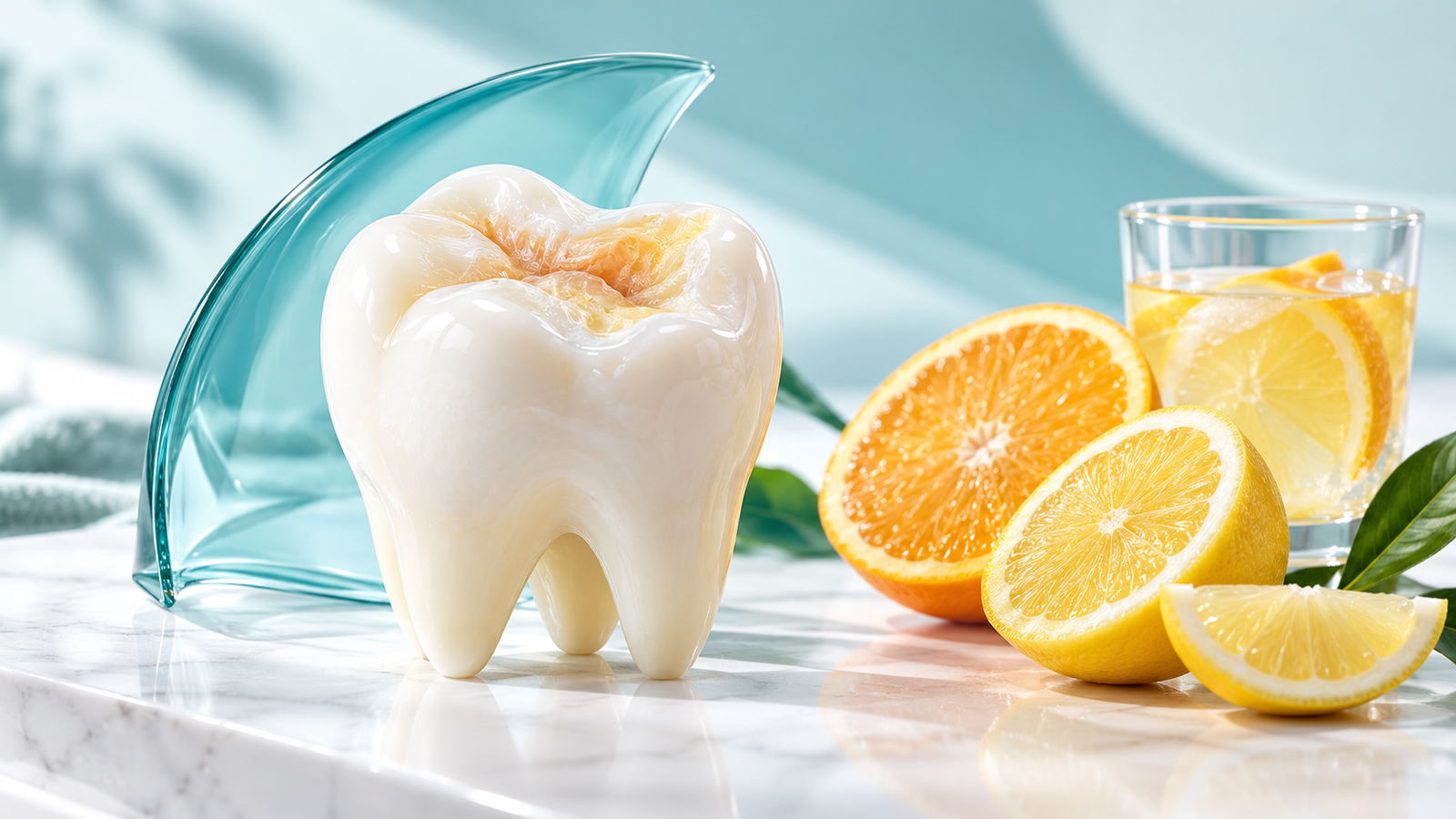
What you drink between breakfast and lunch can be easy to overlook. Perhaps you refill a bottle with lemon water, finish a juice slowly or reach for a fizzy drink during an afternoon break. These small choices can expose your teeth to acid repeatedly.
Tooth enamel erosion develops when acid exposure contributes to the loss of the protective tooth surface. Understanding your everyday habits is a useful starting point for prevention. You can enjoy a varied diet while making a few changes to how frequently acids contact your teeth.
Your Teeth Experience Every Sip
Consider two different routines. One person has a small glass of juice with breakfast and then switches to water. Another keeps the same amount of juice nearby and takes occasional sips throughout the morning.
The quantity may be similar, but the pattern of exposure differs. Each sip brings fresh acid into contact with the teeth. Repeated sipping gives the mouth fewer breaks between exposures.
This is why preventing Acid erosion of teeth involves looking beyond individual foods. Timing, frequency and the way you drink matter too.
Understanding the Protective Layer
Enamel covers the visible outer surface of a tooth. Although it is hard, it can lose minerals when exposed to acids. Frequent exposure can contribute to lasting wear, especially when softened surfaces also experience friction.
Saliva helps clear acids and supports the remaining tooth surface. However, it cannot replace enamel that has already been lost.
Is This the Same as Enamel Decay?
Enamel decay involves acids made by bacteria using sugars from food and drinks. Erosion involves acids coming directly from other sources, including beverages and stomach contents.
The distinction matters when choosing preventive measures. A sugar free drink may reduce sugar exposure while still being acidic enough to contribute to tooth erosion.
Look for Habits You Can Change
You do not need to start by removing every citrus fruit or tangy ingredient from your kitchen. Begin with a habit you repeat often.
For example:
- Do you sip lemon water through several meetings?
- Does a sports drink last throughout your workout?
- Do you frequently suck sour sweets?
- Do you hold drinks in your mouth before swallowing?
- Have acidic snacks become your usual choice between meals?
A short food and drink diary can make these patterns easier to recognise. Record when you consume something, rather than listing only what you had.
Keep Fruit, Reconsider Frequent Juice
An orange eaten with breakfast can remain part of a nutritious diet. Frequently sipping orange juice creates a different pattern of contact with your teeth.
Try having acidic foods alongside meals instead of returning to them repeatedly. Choose plain water as your usual drink between meals.
The same approach applies to pickles, vinegar based dressings and sour snacks. You are aiming to reduce repeated exposure while keeping your diet balanced and enjoyable.
Give Your Mouth a Break After Acids
After an acidic drink, rinsing gently with plain water is a simple step. Avoid swishing the acidic drink itself around your mouth or holding it against your teeth.
If you use a straw, position it behind the front teeth. This may reduce contact with some surfaces, but it does not make frequent acidic drinking risk free.
To reduce the risk associated with acid erosion teeth, avoid brushing immediately after acidic foods or drinks. Acids can temporarily soften enamel, making it more vulnerable to wear. Rinse with plain water and wait about an hour before brushing gently.
Make Your Brushing Routine Work for You
Protection depends on consistent care, not extra pressure.
Brush twice daily with fluoride toothpaste and a soft toothbrush. Clean between your teeth each day. If your teeth feel sensitive, avoid responding by scrubbing harder or experimenting with abrasive whitening mixtures.
Lemon juice is particularly unsuitable as a whitening remedy because it adds acid exposure. A brighter looking smile should not come at the expense of the surface you are trying to protect.
If you are unsure about a product, take its label to your dentist.
What Might Tooth Enamel Erosion Look Like?
Changes can develop slowly, from thinner looking tooth edges to increased sensitivity or yellowing as the underlying dentine becomes more visible. If you are exploring erosion dentistry, a dental assessment can help determine whether these changes are caused by acid related wear.
Some teeth develop smoother surfaces or shallow depressions in areas used for chewing.
These changes do not identify the cause on their own. Sensitivity may also come from cavities, cracks or gum recession. A dentist can assess whether tooth erosion explains what you are experiencing.
What Can Dental Erosion Treatment Achieve?
If you are researching erosion dentistry or looking up “acid erosion teeth,” treatment starts with identifying the source of acid exposure and assessing the damage. Your dentist may recommend changes to daily habits, fluoride products, sensitivity care or regular monitoring.
Softened enamel may reharden, but tooth structure already lost cannot grow back. Restorative treatment may help when wear affects chewing, comfort or appearance.
The appropriate approach depends on the cause, extent of wear and condition of the remaining teeth. Not everyone needs the same procedure.
Why Choose Dantam Dental Clinics?
At Dantam Dental Clinics, a consultation provides an opportunity to discuss symptoms, eating habits and your cleaning routine.
Bring your notes about drinks and snacks, and explain when discomfort occurs. Ask whether preventive changes are sufficient or whether you need monitoring or dental erosion treatment.
If you are concerned about tooth enamel erosion, book a consultation at Dantam Dental Clinics for an assessment and personalised advice.
Frequently Asked Questions
Can Tooth Erosion Develop Without Pain?
Is Enamel Decay Treated the Same Way?
Should I Avoid All Acidic Foods?
Will Changing Toothpaste Solve Sensitivity?
What does erosion dentistry involve?
What does “acid erosion teeth” mean?
SUBSCRIBE
SUBSCRIBE TO OUR NEWSLETTER
How to Protect Your Teeth from Acidic Foods
Mouthwash: Types, Uses and Common Questions